Designing with the 3D Lilac Gold Flower with Pearls Tumbler: A Guide to Sublimation Quality and Aesthetic Appeal
In the competitive world of custom drinkware, visual distinction is often the deciding factor for customers. While standard floral patterns remain popular, there is a growing demand for designs that offer depth, texture, and a sense of luxury without requiring complex physical embellishments. The 3D Lilac Gold Flower with Pearls Tumbler design represents a specific niche within this market, combining soft botanical elements with metallic accents and simulated jewelry details. For creators and small business owners, understanding the technical and aesthetic nuances of this design is essential for determining whether it aligns with their brand identity and production capabilities.
This article explores the characteristics of this specific sublimation asset, compares it to alternative design styles, and evaluates its practical application for 20oz skinny tumblers. By examining the strengths and limitations of digital 3D effects versus physical add-ons, you can make a more informed decision about incorporating this style into your product lineup.
Understanding the Design Composition
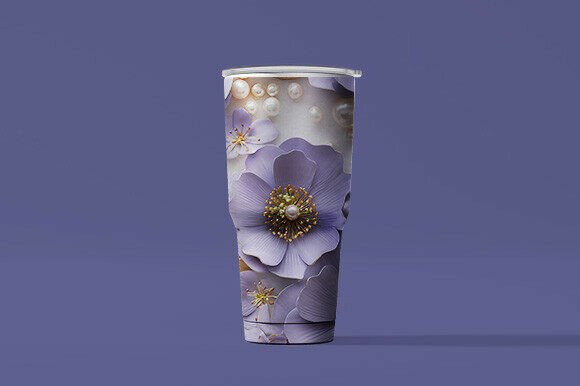
The core appeal of the 3D Lilac Gold Flower with Pearls Tumbler lies in its layered visual structure. Unlike flat vector graphics, this design utilizes shading, highlights, and perspective tricks to create an illusion of three-dimensionality on a two-dimensional surface. The primary elements include lilac blossoms, which provide a soft, feminine color palette, and gold accents that introduce a premium feel. The addition of pearl accents serves as a focal point, mimicking the look of embedded jewels or beads.
It is important to clarify that "3D" in this context refers to the digital rendering style, not physical protrusions. The design comes as high-quality JPG files, meaning the depth is achieved through careful lighting effects in the graphic itself. This distinction is crucial for setting customer expectations. Buyers are purchasing a printed image that looks textured, not a tumbler with actual raised flowers or glued-on pearls. This approach offers significant advantages in durability and ease of cleaning, as there are no physical components to snag, break, or degrade over time.
Comparing Digital 3D Effects to Physical Embellishments
When evaluating tumbler designs, creators often choose between fully printed graphics and mixed-media approaches that involve epoxy, glitter, or physical charms. Here is how the 3D Lilac Gold Flower with Pearls Tumbler compares to these alternatives:
- Durability and Maintenance: Printed sublimation designs are sealed under the clear coat or within the tumbler’s protective layer. They are dishwasher safe (depending on the tumbler quality) and resistant to chipping. In contrast, tumblers with real pearls or resin flowers require hand washing and are prone to wear at the attachment points.
- Production Efficiency: Using a pre-made JPG file allows for rapid production. Once the file is sized correctly for a 20oz skinny tumbler, the printing process is standardized. Mixed-media designs require manual labor for each unit, increasing production time and consistency challenges.
- Cost Structure: Digital assets have a low marginal cost after the initial purchase. Physical embellishments increase the cost of goods sold (COGS) due to material waste and labor hours.
- Aesthetic Consistency: A digital print ensures every tumbler looks identical. Hand-applied decorations vary from piece to piece, which can be seen as either a unique selling point or a quality control issue, depending on the target market.
For businesses scaling up operations, the efficiency of a high-quality digital print like the lilac and gold flower design often outweighs the artisanal appeal of physical add-ons. However, for boutique, one-off commissions, physical textures may still hold value.
Evaluating Fit for Your Target Audience
The choice to use the 3D Lilac Gold Flower with Pearls Tumbler design should depend heavily on your specific customer base. This aesthetic leans towards a sophisticated, feminine demographic that appreciates elegance without overt flashiness. The lilac hue is trendy yet timeless, appealing to adults aged 20–50 who seek accessories that complement both casual and professional environments.
Consider the following scenarios where this design is particularly effective:
- Gift Markets: The combination of flowers and pearls suggests celebration and care, making it ideal for Mother’s Day, bridal showers, or birthdays.
- Corporate or Professional Gifts: Unlike bright neon or cartoonish designs, the muted lilac and gold palette maintains a level of professionalism suitable for office use.
- Seasonal Transitions: Floral designs are perennially popular, but the gold accents allow this specific design to transition well from spring into holiday seasons, extending its sales window.
Conversely, this design may not resonate with audiences preferring minimalist, industrial, or bold geometric aesthetics. If your brand identity is built on stark simplicity or rugged utility, the ornate nature of pearls and detailed florals might clash with your existing product line.
Technical Considerations for Sublimation
To achieve the best results with the 3D Lilac Gold Flower with Pearls Tumbler files, attention to technical detail is required. Since the design relies on the illusion of depth, print quality is paramount. Low-resolution prints will flatten the image, losing the subtle gradients that define the petals and the shine of the pearls.
Ensure that the JPG files provided are high-resolution, typically 300 DPI at the final print size. When wrapping the design around a 20oz skinny tumbler, alignment is critical. The vertical orientation of the flowers should flow naturally with the curve of the tumbler. Misalignment can distort the 3D effect, making the flowers appear stretched or warped. It is advisable to perform test prints on standard paper first to check the scale and color accuracy before committing to sublimation paper and blanks.
Color management also plays a role. Lilac can appear differently depending on the printer profile and the white base of the tumbler. Gold tones, in particular, can sometimes print as muddy brown if the color profile is not calibrated correctly. Adjusting brightness and contrast slightly before printing can help preserve the metallic illusion of the gold elements.
Limitations and Alternative Approaches
While the digital 3D approach offers many benefits, it has limitations. The most notable is the lack of tactile feedback. Customers who enjoy running their fingers over raised textures may find the smooth surface of a sublimated tumbler less engaging. If tactile experience is a key selling point for your brand, you might consider hybrid approaches.
For example, some creators use a clear epoxy coating over specific parts of the print to create a slight raised effect, though this adds complexity. Alternatively, you could offer the 3D Lilac Gold Flower with Pearls Tumbler as part of a broader collection that includes genuinely textured items, allowing customers to choose based on their preference for visual versus tactile luxury.
Another consideration is market saturation. Floral designs are ubiquitous. To stand out, the uniqueness of the "3D" rendering and the specific combination of lilac and gold must be highlighted in your marketing. High-quality photography that captures the light reflecting off the printed gold and pearl areas can help convey the depth of the design to online shoppers.
Making the Final Decision
Choosing the right design asset involves balancing aesthetic appeal with operational practicality. The 3D Lilac Gold Flower with Pearls Tumbler offers a compelling solution for creators seeking a luxurious, feminine look without the logistical burdens of physical embellishments. It is best suited for businesses prioritizing scalability, consistency, and durability.
Before integrating this design, assess your current production workflow. If you are equipped for high-volume sublimation and have a customer base that values elegant, low-maintenance drinkware, this asset is a strong candidate. However, if your niche relies on handmade, tactile uniqueness, you may need to supplement this digital design with other product types.
Ultimately, the value of this design lies in its ability to convey sophistication through print alone. By understanding its visual mechanics and comparing it against alternative production methods, you can determine whether it fits strategically into your product ecosystem. Always prioritize high-quality printing techniques to ensure the 3D illusion remains convincing, thereby delivering a product that meets the high expectations of today’s discerning consumers.