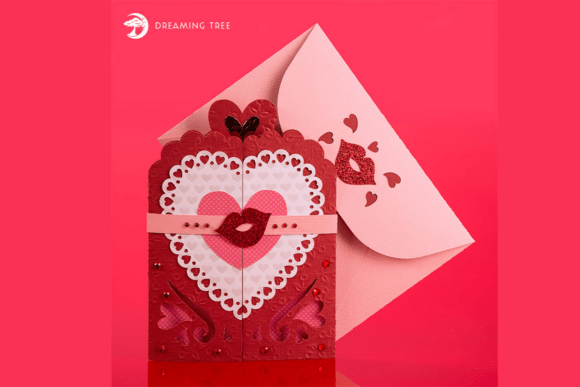
Creating a Lasting Impression with the Valentine Gatefold Card SVG
In an era dominated by digital communication, the tangible weight of a handmade card carries a unique emotional resonance. For crafters and hobbyists looking to elevate their paper crafting projects, the Valentine Gatefold Card SVG represents a sophisticated intersection of traditional elegance and modern precision. This design is not merely a flat piece of paper; it is a three-dimensional architectural project that unfolds to reveal layered details, creating a delightful keepsake for romantic messages or heartfelt notes.
Understanding whether this specific gatefold style fits your current project needs requires a look beyond the aesthetic appeal. It involves evaluating the technical requirements, material costs, and the time investment compared to simpler alternatives. This guide explores the distinct characteristics of this 3D paper project, helping you decide if it is the right choice for your next creative endeavor.
The Distinct Appeal of 3D Gatefold Designs
Unlike standard bi-fold cards, a gatefold design features two front panels that meet in the middle and open outward like double doors. When combined with the intricate layering possible through SVG cutting files, the result is a dynamic visual experience. The Valentine Gatefold Card SVG leverages this structure to create depth. As the recipient opens the card, the layers separate, revealing hidden messages, decorative elements, and dimensional accents that flat cards simply cannot achieve.
This particular design is tailored for SVG-ready cutting machines, which ensures clean lines and precise cuts that are difficult to replicate by hand. The inclusion of a matching envelope further enhances the presentation, making it a complete gift rather than just a card. For those who value presentation and the "unboxing" experience, this format offers a premium feel that aligns well with significant occasions like anniversaries or Valentine’s Day.
Evaluating Material Requirements and Costs
One of the primary considerations when choosing a complex paper craft is the supply list. Simple cards may require only one sheet of cardstock, but this project demands a curated palette of materials to achieve its intended visual charm. To assemble this design effectively, you will need a variety of textures and colors:
- Base Structure: One sheet of 12x12 textured red cardstock provides the sturdy foundation required for the gatefold mechanism.
- Layering Elements: Two sheets of 12x12 peony cardstock are essential for creating the voluminous floral or decorative layers that define the 3D aspect.
- Accent Papers: The design utilizes smaller sheets, including 8.5x11 rouge cardstock, blossom cardstock, and white pattern paper, to add contrast and detail without overwhelming the main structure.
- Specialty Finishes: To make a stylish statement, the design incorporates textured rose gold foil and red glitter paper. These materials catch the light and add a luxurious touch, though they can be more challenging to cut and adhere than standard matte papers.
- Embellishments: Rhinestones and Zots glue are recommended for securing heavy elements and adding sparkle.
It is important to note that all featured cardstock is typically Encore Cardstock 80 lb cover. Using paper of this weight is crucial for structural integrity. Lighter paper may buckle under the weight of the layers, while heavier paper might be difficult to fold cleanly. When budgeting for this project, consider that the diversity of materials means you may need to purchase multiple packs, even if you do not use every sheet entirely.
Technical Compatibility and Workflow
For users familiar with digital cutting machines, the workflow for the Valentine Gatefold Card SVG is designed to be straightforward, yet it requires attention to detail. The file is provided in SVG format only, which is universally compatible with major cutting software and hardware. Whether you are using a Cricut, Silhouette, or other SVG-ready devices, the file should import seamlessly.
A key feature of this resource is the inclusion of a PDF legend. This document helps you identify the various pieces and map them to your chosen paper colors. For complex multi-layer projects, this step is invaluable. Without a clear legend, assembly can become a frustrating puzzle of matching similar shades and shapes. Additionally, a step-by-step video tutorial is provided to guide you through the assembly process, reducing the learning curve for those new to 3D paper engineering.
The design is optimized for 12x12 cutting mats, which is the standard for most mid-to-large format machines. While the project can be resized to fit different needs, users should be aware that altering dimensions may affect the structural balance. The original dimensions of 7 inches high by 5 inches wide are calculated to ensure the gatefold mechanism operates smoothly. Significant resizing might require adjustments to tab sizes and fold scores to maintain functionality.
Comparing Gatefold Cards to Alternatives
When deciding on a project, it is helpful to compare the gatefold approach with other common card styles. Here is how this design stacks up against typical alternatives:
Gatefold vs. Standard Bi-Fold
A standard bi-fold card is quicker to assemble and requires fewer materials. It is ideal for mass production or last-minute gifts. However, it lacks the dramatic reveal and dimensional depth of the gatefold. If your goal is to create a singular, impactful keepsake, the gatefold is superior. If you need to produce twenty cards for a classroom party, the bi-fold is the more practical choice.
SVG Cutting vs. Hand Cutting
While skilled artisans can cut these shapes by hand, the precision required for the interlocking layers of this design makes an SVG file highly advantageous. Hand-cutting intricate lace-like patterns or perfect circles for layering is time-consuming and prone to error. The SVG format ensures consistency, allowing you to focus on assembly and decoration rather than tedious cutting.
Digital E-Cards vs. Physical Keepsakes
Digital cards are instant and eco-friendly in terms of material waste, but they lack tactile presence. A physical card made with textured foil, glitter, and layered paper engages multiple senses. For recipients who appreciate craftsmanship, the effort invested in a physical Valentine Gatefold Card SVG project conveys a deeper level of care and personalization.
Best-Fit Situations and Limitations
This design is best suited for crafters who enjoy the process of assembly as much as the final result. It is ideal for:
- Special Occasions: Anniversaries, engagements, or Valentine’s Day where the message is deeply personal.
- Gift Accompaniments: When a small gift needs a grand presentation, this card serves as both packaging and greeting.
- Skill Building: Crafters looking to move from 2D to 3D paper projects will find this a manageable yet rewarding challenge.
However, there are limitations to consider. The assembly time is significantly longer than simple cards. Adhering multiple layers of foil and glitter paper requires patience and the right adhesives to prevent shifting. Furthermore, the bulk of the card means it may require extra postage if mailed. It is often better handed directly to the recipient or placed inside a larger box for shipping.
Making the Right Choice for Your Project
Choosing the Valentine Gatefold Card SVG is a decision to prioritize quality and impact over speed and simplicity. It offers a balanced approach to modern crafting, leveraging technology for precision while maintaining the warmth of handmade artistry. If you have access to an SVG-compatible cutting machine and enjoy working with diverse textures like foil and glitter, this project provides a satisfying creative outlet.
Before starting, review the supply list carefully to ensure you have the necessary 80 lb cardstock and specialty papers. Take advantage of the included PDF legend and video tutorial to streamline the process. By understanding the tradeoffs between complexity and visual reward, you can determine if this elegant 3D paper project aligns with your creative goals and available resources. Whether for a loved one or a personal collection, this gatefold design stands as a testament to the enduring power of thoughtful, handmade expression.